Model Health and Wellness: Maintaining Physical and Mental Wellbeing
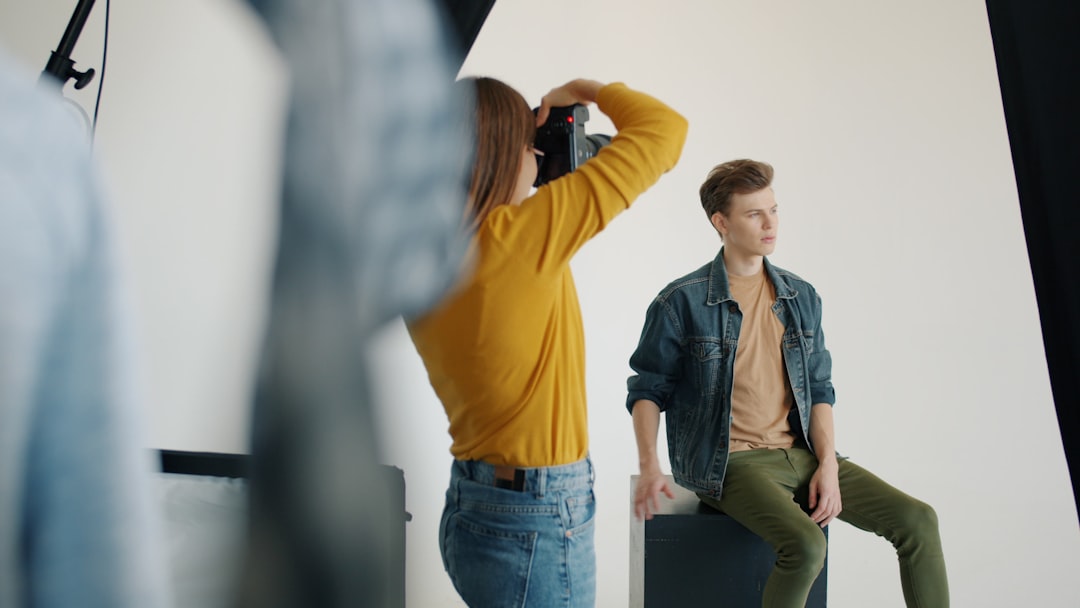
The modeling industry places unique demands on physical and mental health. Long hours, irregular schedules, constant evaluation of appearance, frequent travel, and pressure to maintain specific physical standards can take significant tolls on wellbeing. Yet sustainable success in modeling requires not just meeting these demands but doing so while maintaining genuine health and balance. This comprehensive guide explores practical, evidence-based approaches to fitness, nutrition, skincare, and mental health that allow models to thrive professionally while protecting their long-term wellness.
Understanding Industry Health Challenges
Before discussing solutions, it's important to acknowledge the specific health challenges prevalent in modeling. The industry has historically promoted unhealthy practices, from extreme dieting to dangerous weight loss methods, irregular sleep patterns, and neglect of mental health. While awareness and advocacy have improved conditions, challenges persist.
Physical demands include maintaining specific measurements, having clear skin, healthy hair, and presenting energetically despite grueling schedules. Shoots might run 12-14 hours with minimal breaks. Travel disrupts sleep and routine. Castings often require rushing across cities in uncomfortable shoes. These physical stresses accumulate over time if not managed proactively.
Mental health challenges are equally significant. Constant rejection at castings, even for working models, can erode self-esteem. Public scrutiny of appearance creates vulnerability to body image issues and eating disorders. Competitive environments foster comparison and insecurity. Irregular income generates financial stress. Recognition of these challenges is the first step toward addressing them effectively.
The good news is that sustainable approaches exist that allow models to meet professional demands while protecting health. Increasingly, agencies and industry professionals recognize that healthy models have longer, more successful careers than those who compromise wellbeing for short-term standards. The key is finding balance between professional requirements and genuine wellness.
Nutrition: Fueling Performance and Health
Nutrition fundamentally impacts both how you look and how you perform. Despite industry pressure toward restrictive eating, the healthiest approach involves nourishing your body adequately rather than depriving it. Undereating might create short-term weight loss but compromises skin quality, hair health, energy levels, and mental clarity all crucial for modeling success.
A balanced diet for models should emphasize whole foods: lean proteins, complex carbohydrates, healthy fats, and abundant fruits and vegetables. Protein supports muscle maintenance and recovery, crucial when you're on your feet all day. Complex carbohydrates from whole grains, sweet potatoes, and legumes provide sustained energy without blood sugar crashes. Healthy fats from sources like avocados, nuts, olive oil, and fatty fish support hormone production, brain function, and skin health.
Hydration cannot be overstated. Water affects everything from skin appearance to energy levels to cognitive function. Aim for at least 8-10 glasses daily, more if you're working long hours or in hot environments. Adequate hydration plumps skin, reduces appearance of fine lines, aids digestion, and helps maintain healthy body composition. Many models carry water bottles constantly, sipping throughout the day rather than drinking large amounts infrequently.
Meal timing and consistency matter significantly. With irregular schedules, models often skip meals or eat at odd hours, disrupting metabolism and energy levels. Prioritize consistent meal timing when possible. When schedules are chaotic, prepare portable, nutritious snacks: nuts, fruit, protein bars, or cut vegetables with hummus. Having healthy options readily available prevents resort to convenience foods that spike blood sugar then leave you crashing.
Avoid extreme dieting or severe restriction. These approaches might produce quick weight loss but often result in rebound weight gain, metabolic slowdown, muscle loss, hormonal disruption, and damaged relationship with food. If you need to lose weight for legitimate health or career reasons, work with registered dietitians familiar with athletic or performance nutrition who can create sustainable plans that maintain health while achieving goals.
Fitness: Building Strength and Endurance
Physical fitness serves multiple purposes for models: maintaining desired body composition, building stamina for long work days, developing the core strength necessary for holding poses, and supporting mental health through exercise's mood-boosting effects. A balanced fitness routine combines cardiovascular exercise, strength training, and flexibility work.
Cardiovascular exercise can be anything that elevates your heart rate: running, cycling, swimming, dancing, or brisk walking. Aim for 150 minutes of moderate cardio weekly, or 75 minutes of vigorous cardio. Cardio supports cardiovascular health, helps manage body composition, boosts mood through endorphin release, and builds the stamina needed for long shoots.
Strength training is crucial and often undervalued for models, particularly female models worried about "bulking up." Properly designed strength training builds lean muscle that creates shape and definition, supports metabolism, prevents injury, and creates the toned appearance most modeling work requires. Focus on compound movements like squats, lunges, push-ups, and planks that work multiple muscle groups efficiently. Two to three strength sessions weekly is generally sufficient.
Flexibility and mobility work through yoga, Pilates, or dedicated stretching prevents injury, improves posture, and supports the fluid movement important for runway work and dynamic photoshoots. These practices also offer mental health benefits through their meditative qualities and stress reduction effects. Incorporating 20-30 minutes of flexibility work several times weekly supports both physical and mental wellness.
Listen to your body regarding rest and recovery. Overtraining leads to injury, burnout, and compromised immune function. Rest days are when your body actually builds strength and adapts to training. Quality sleep, proper nutrition, and occasionally lighter training weeks support long-term consistency and progress.
Skincare: Professional Necessity and Self-Care
Clear, healthy skin is essential for modeling work, making skincare both professional necessity and valuable self-care practice. However, complicated routines aren't necessarily better than simple, consistent ones. Focus on fundamentals: cleansing, moisturizing, and sun protection, then build from there based on individual skin needs.
Cleansing removes makeup, dirt, and environmental pollutants that accumulate throughout the day. Choose gentle cleansers appropriate for your skin type. Double cleansing using an oil-based cleanser followed by water-based cleanser effectively removes heavy makeup common on shoots. Avoid harsh, stripping cleansers that disrupt skin's natural barrier.
Moisturizing maintains skin hydration and barrier function. Even oily skin needs moisturizer; when skin is stripped of natural oils, it often overproduces sebum in compensation. Find moisturizer appropriate for your skin type and climate. In Hong Kong's humid environment, lighter gels might suffice; in drier climates or seasons, richer creams may be necessary.
Sun protection is non-negotiable. UV damage accelerates aging, causes dark spots and texture issues, and increases skin cancer risk. Use broad-spectrum SPF 30 or higher daily, even when not in direct sun. Reapply if you're outdoors for extended periods. Many models use moisturizers with built-in SPF for daily convenience, adding separate sunscreen for prolonged sun exposure.
Beyond basics, consider treatments addressing specific concerns. Vitamin C serums support brightness and even tone. Retinoids promote cell turnover and can address acne, texture, and early aging signs. Hyaluronic acid provides intense hydration. However, introduce new products gradually to monitor how your skin responds, and consider working with a dermatologist for persistent concerns rather than self-prescribing complicated regimens.
Remember that skin health is also influenced by factors beyond topical products: sleep quality, stress levels, diet, and hydration all impact how your skin looks. Sometimes the most effective "skincare" is addressing these internal factors alongside external routines.
Sleep: The Underrated Performance Enhancer
Sleep is when your body repairs, regenerates, and consolidates memories and learning. For models, adequate sleep affects physical appearance dark circles, skin quality, eye clarity and cognitive function needed for taking direction and performing professionally. Yet modeling schedules often disrupt sleep through early call times, late events, travel across time zones, and irregular working hours.
Prioritize sleep by making it non-negotiable when possible. Aim for 7-9 hours nightly. Establish consistent sleep and wake times even on days off to regulate your circadian rhythm. Create a sleep-conducive environment: dark, cool, quiet, and comfortable. Invest in blackout curtains, quality bedding, and white noise if needed.
Develop a wind-down routine signaling your body that sleep is approaching. This might include dimming lights, limiting screens (blue light disrupts melatonin production), reading, gentle stretching, or meditation. Avoid caffeine after early afternoon and limit alcohol, which disrupts sleep quality despite initially causing drowsiness.
When travel or work disrupts sleep, prioritize recovery. Short naps (20-30 minutes) can restore alertness without entering deep sleep that leaves you groggy. When crossing time zones, adjust gradually if possible, or use strategic light exposure and melatonin to speed adaptation. Don't let chronic sleep deprivation become normalized; inadequate rest has serious health consequences and compromises both appearance and performance.
Mental Health: Breaking Industry Stigma
Mental health historically received insufficient attention in modeling, despite the industry's unique stressors. Thankfully, awareness is growing, but models still face challenges in prioritizing psychological wellbeing. Yet mental health fundamentally affects career longevity, decision-making, relationships, and overall life quality.
Develop healthy coping mechanisms for rejection and criticism, inevitable in modeling. Remember that casting rejections aren't personal judgments of your worth; clients are matching specific looks to creative visions. Not being chosen doesn't mean you're unattractive or untalented, merely that your look didn't fit this particular need. Maintaining this perspective, while easier said than done, protects self-esteem.
Build identity and self-worth beyond appearance and modeling success. Develop hobbies, relationships, and interests unrelated to the industry. When your entire sense of self revolves around modeling, career ups and downs feel existentially threatening. Diversified identity creates resilience and perspective during challenging professional periods.
Recognize warning signs of mental health issues: persistent sadness or anxiety, loss of interest in activities you once enjoyed, changes in appetite or sleep patterns, difficulty concentrating, or thoughts of self-harm. These warrant professional support. Therapists, particularly those familiar with performance industries, can provide valuable tools for managing stress, processing rejection, and maintaining healthy self-concept.
Don't internalize toxic industry messages about worth being determined by measurements or booking frequency. The modeling industry, while changing, still promotes narrow ideals that most humans don't naturally fit. Your value as a person is completely independent of whether you book a particular job or maintain specific measurements. Setting boundaries around unhealthy industry pressures, even if it affects career opportunities, protects long-term wellbeing.
Building a Support System
Maintaining wellness in demanding careers is easier with strong support systems. Cultivate relationships with people who value you beyond modeling success, who you can be authentic with, and who support your wellbeing even when it conflicts with career pressures.
Connect with other models who understand industry-specific challenges. However, ensure these relationships aren't purely competitive. Finding genuine friends in the industry who celebrate your successes and support you through difficulties creates valuable community and shared understanding.
Maintain relationships outside the industry that ground you in normal life and remind you that modeling is your job, not your entire identity. Friends and family who knew you before modeling and love you independent of career success provide essential perspective and support.
Work with professionals who prioritize your health. Agencies, agents, and clients who pressure dangerous practices don't deserve your loyalty. Reputable professionals understand that sustainable careers require protecting model health and will support reasonable boundaries around wellness.
Conclusion: Sustainable Success
Modeling career longevity increasingly belongs to those who maintain genuine health while meeting professional demands. The old paradigm of sacrificing wellness for career success is not only ethically wrong but practically ineffective. Chronic undereating, over-exercising, sleep deprivation, and neglected mental health eventually manifest in deteriorated appearance, compromised performance, and burnout.
The most successful models increasingly are those who take holistic approaches to wellness: nourishing their bodies with adequate, nutritious food; maintaining fitness through balanced training; prioritizing sleep and recovery; practicing consistent skincare; and protecting mental health through healthy boundaries and professional support when needed.
Your body is your instrument in this career. Treating it with respect, providing what it needs to function optimally, and refusing to compromise genuine health for industry pressures isn't just self-care, it's strategic career management. The most beautiful, camera-ready, energetic models are healthy models. Prioritizing sustainable wellness practices isn't contrary to modeling success; increasingly, it's the foundation of it.