How to Build a Professional Modeling Portfolio in 2015
Your modeling portfolio is your most powerful marketing tool in the fashion industry. It's the first impression you make on agencies, casting directors, and potential clients. In 2015, with the industry more competitive than ever, having a professional, well-curated portfolio isn't just recommended it's essential. This comprehensive guide will walk you through everything you need to know about creating a portfolio that opens doors and secures bookings.
Understanding the Purpose of Your Portfolio
Before diving into the specifics of building your portfolio, it's crucial to understand what it needs to accomplish. Your portfolio serves multiple purposes: it showcases your versatility as a model, demonstrates your ability to work with different styles and concepts, and proves to clients that you're capable of bringing their vision to life. Unlike social media content designed for entertainment, a modeling portfolio is a professional business tool with specific industry standards and expectations.
Agencies and clients review hundreds of portfolios regularly. They're looking for models who show range, professionalism, and that indefinable quality that makes someone camera-ready. Your portfolio needs to communicate that you're not just photogenic but also reliable, versatile, and easy to work with. Every image should serve a strategic purpose in demonstrating your potential value to a client.
Essential Photo Types for Your Portfolio
A well-rounded modeling portfolio typically contains 15-20 carefully selected images that showcase different aspects of your capabilities. First and foremost, you need high-quality digitals or snapshots. These are simple, unretouched photos taken in natural lighting with minimal makeup and simple clothing. Despite being basic, digitals are incredibly important because they show casting directors your true appearance, measurements, and bone structure without heavy editing or styling.
Professional headshots are another portfolio cornerstone. These should be close-up shots that clearly show your facial features, skin texture, and expressiveness. Headshots typically include both smiling and serious expressions, allowing clients to see your range and how well you take direction. The best headshots capture personality while maintaining a clean, professional aesthetic.
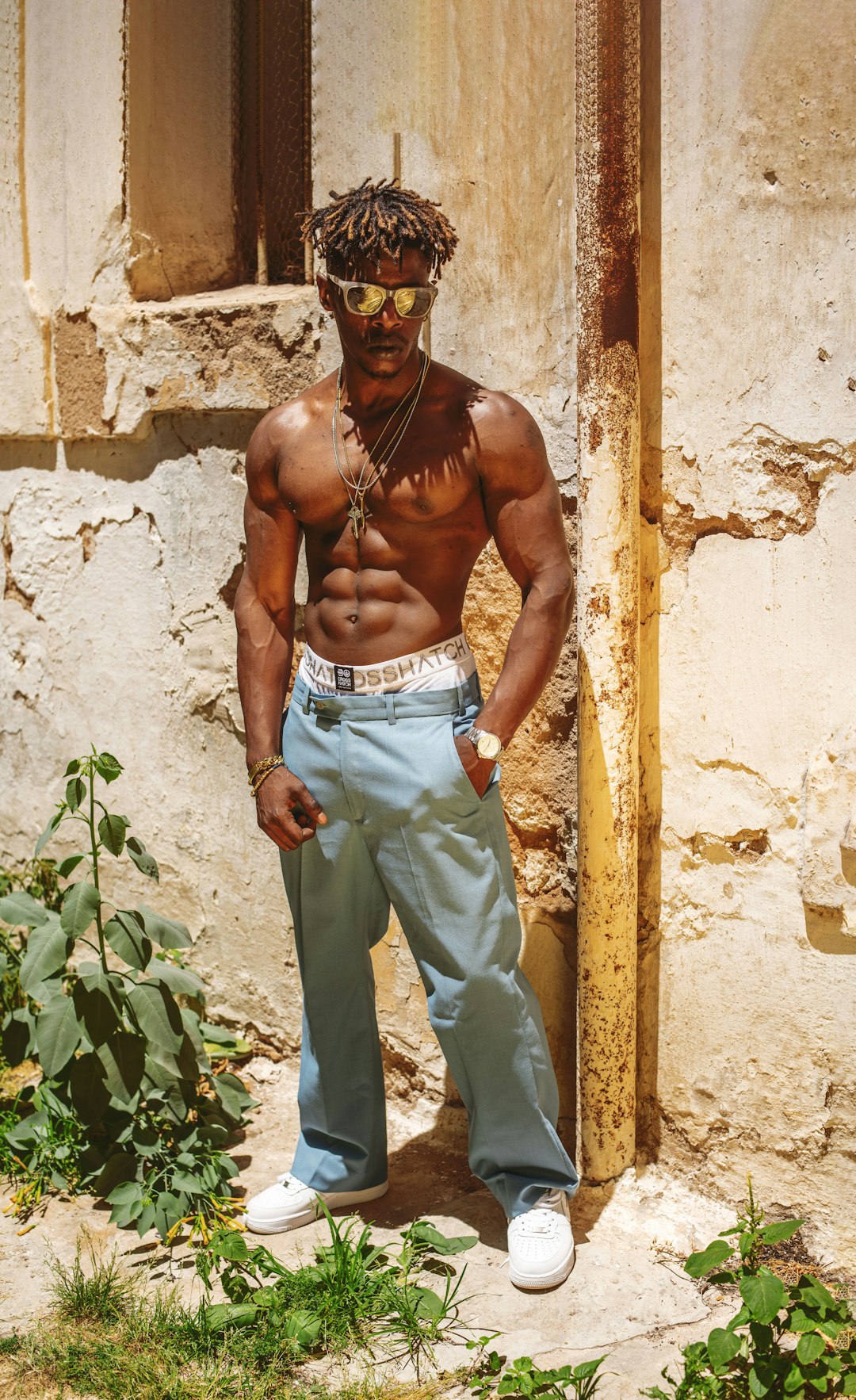
Full-body shots demonstrate your physique, posture, and how you carry yourself. These images should include various poses and outfits that show your body proportions clearly. Fashion clients particularly value full-body shots because they need to assess how clothing will look on you before booking. Include both casual and more formal styling to show versatility.
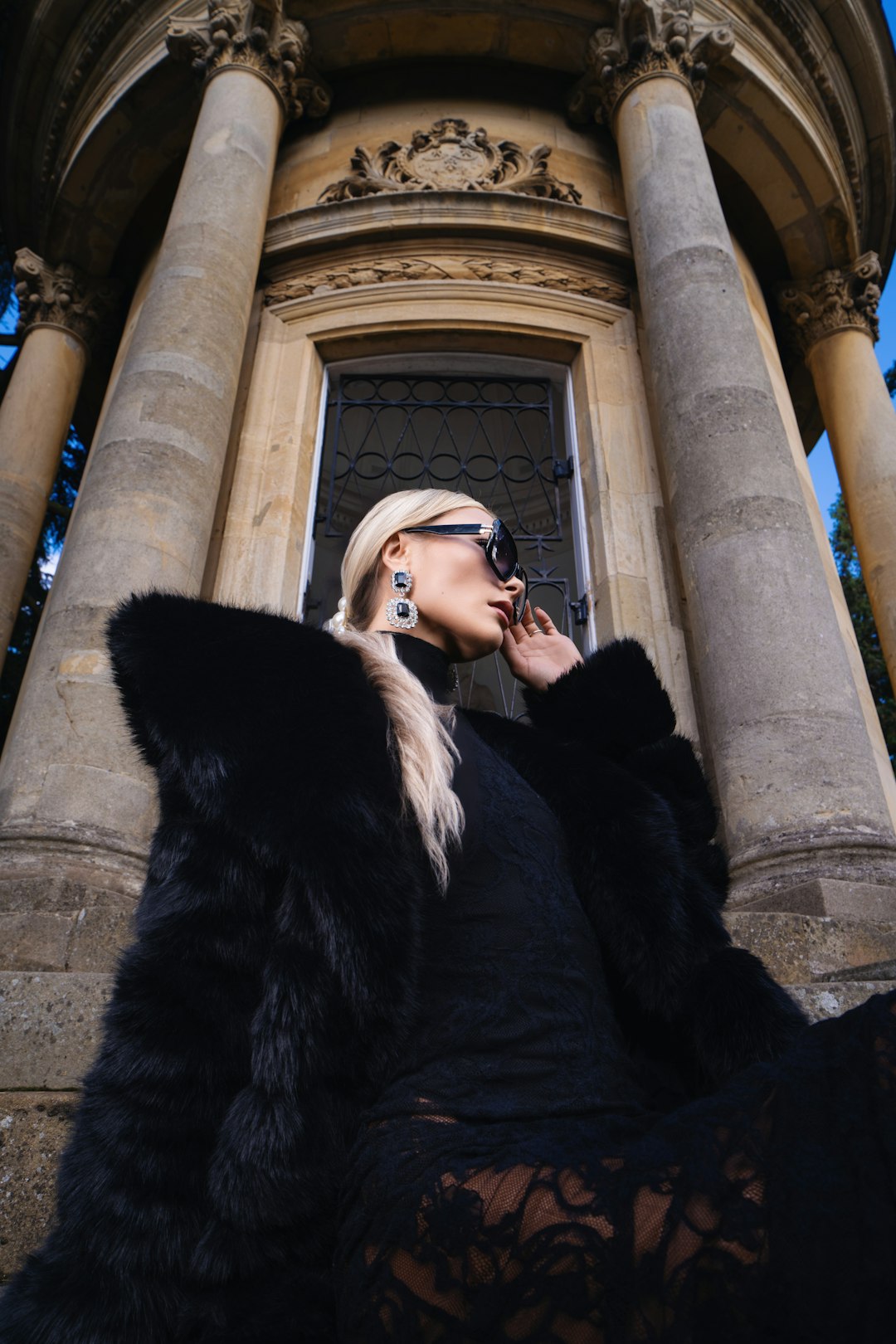
Editorial-style images add artistic flair and demonstrate your ability to embody different concepts and moods. These photos typically involve creative styling, interesting locations, and storytelling elements. Editorial shots prove you can work on fashion shoots that require conceptual thinking and emotional range beyond simple product modeling.
Commercial images are essential if you're interested in advertising and lifestyle modeling. These photos should show you looking approachable, friendly, and relatable. Commercial clients want models who can represent everyday consumers using their products, so these images should feel authentic and accessible rather than high-fashion.
Working With Photographers
When starting out, finding the right photographers to build your portfolio can be challenging. Many aspiring models begin with test shoots, collaborative sessions where both model and photographer exchange their time to build their respective portfolios. These can be excellent opportunities to gain experience and create portfolio content without significant upfront costs. However, it's crucial to research photographers carefully, review their previous work, and ensure they're professional and reputable.
As you advance in your career, you may work with established commercial photographers who charge for their services. While this involves financial investment, professional photographers bring expertise in lighting, composition, and styling that significantly elevates your portfolio quality. They understand industry standards and what casting directors look for in portfolios.
Communication is key when working with any photographer. Before the shoot, discuss your goals, the types of shots you need, styling options, and how images will be edited and delivered. Bring multiple outfit options and be prepared to take direction. Professional behavior during test shoots, even unpaid ones, demonstrates the work ethic you'll bring to paid bookings.
Styling and Wardrobe Considerations
The clothing and styling in your portfolio images should showcase versatility while remaining timeless. Avoid overly trendy pieces that will date your portfolio quickly. Instead, opt for classic styles, solid colors, and pieces that flatter your body type without overwhelming the frame. Your face and figure should be the focus, not distracting patterns or logos.
Build a test shoot wardrobe with essential pieces: well-fitting jeans, a white t-shirt, a little black dress, business casual attire, and activewear if you're interested in fitness modeling. Accessories should be minimal and tasteful. Remember that simplicity often photographs better than complicated outfits with multiple competing elements.
Hair and makeup for portfolio shoots should enhance your natural features rather than creating dramatic transformations unless specifically aiming for editorial content. Natural, polished looks demonstrate what clients can expect when booking you. If you're including more creative editorial shots, save bold makeup and styling for those specific images while keeping the majority of your portfolio clean and classic.
Digital Portfolio Presentation
In 2015, your digital presence is as important as printed portfolios were in previous decades. Most initial submissions to agencies and clients happen online, so your digital portfolio needs to be accessible, professionally presented, and easy to navigate. Many models use platforms like Model Mayhem, One Model Place, or their own websites to showcase their work.
When creating your digital portfolio, prioritize high-resolution images that load quickly without sacrificing quality. Organize photos into clear categories: digitals, headshots, fashion, commercial, editorial, and any specialty work like fitness or beauty. Each image should be properly sized and optimized for web viewing while maintaining professional quality for potential downloads.
Your digital portfolio should also include essential information: accurate measurements, contact details, and representation information if you're already signed with an agency. Keep this information updated regularly, especially measurements and contact details. Consider including a brief bio that highlights your experience, special skills, and what makes you unique as a model.
Portfolio Maintenance and Updates
A modeling portfolio is never truly finished. As you gain experience, work with different photographers, and develop your skills, your portfolio should evolve. Regularly review your images and replace older or weaker shots with stronger, more recent work. Industry professionals recommend updating your portfolio every 3-6 months, particularly as you gain professional booking experience.
As you complete paid jobs, ask photographers if you can use the final images in your portfolio. Real campaign work and editorial spreads carry more weight than test shoots when agencies and clients review your book. These images demonstrate you're actively working and trusted by paying clients.
Be critical and objective when selecting portfolio images. It's tempting to include every good photo, but quality always trumps quantity. A portfolio with 15 exceptional images is far more impressive than one with 30 mediocre shots mixed with great ones. Each image should serve a specific purpose and meet professional standards for composition, lighting, and technical quality.
Common Portfolio Mistakes to Avoid
Several common mistakes can undermine even attractive models' portfolio effectiveness. Over-editing is perhaps the most frequent error. While professional retouching is standard, excessive editing that dramatically alters your appearance is problematic. Clients need to know what you actually look like, and showing up to a booking looking significantly different from your portfolio creates trust issues and can damage your reputation.
Including too many similar shots is another mistake. If you have five photos that are essentially the same pose with slight variations, choose the single best one. Repetition doesn't demonstrate versatility, and it suggests you have limited range or insufficient content to fill your portfolio with diverse images.
Neglecting digitals or natural photos in favor of only heavily styled editorial images can backfire. While creative shots showcase artistic potential, clients also need to see the raw material they're working with. Balance is key a mix of natural shots and more produced images gives the most complete picture of your capabilities.
Using low-quality images, whether due to poor photography, bad lighting, or low resolution, instantly marks you as unprofessional. Every image in your portfolio should meet technical standards for sharpness, proper exposure, and print-quality resolution even if you're only presenting digitally.
Conclusion: Your Portfolio as an Investment
Building a professional modeling portfolio requires investment in time, sometimes money, and careful strategic planning. However, this investment pays dividends throughout your modeling career. Your portfolio opens doors to agency representation, gets you considered for bookings, and serves as your primary marketing tool in a highly competitive industry.
Approach portfolio development with the same professionalism you'd bring to any important career endeavor. Work with quality photographers, carefully curate your image selection, maintain both digital and physical versions, and update regularly as you grow and develop as a model. Remember that your portfolio represents not just how you look, but your professionalism, versatility, and potential value to clients.
Whether you're just starting your modeling journey or looking to elevate an existing career, a strong portfolio is your foundation for success. Take the time to do it right, seek feedback from industry professionals, and continuously refine your presentation. Your portfolio is your silent advocate in every casting room and client meeting, so make sure it's telling the right story about who you are as a model.